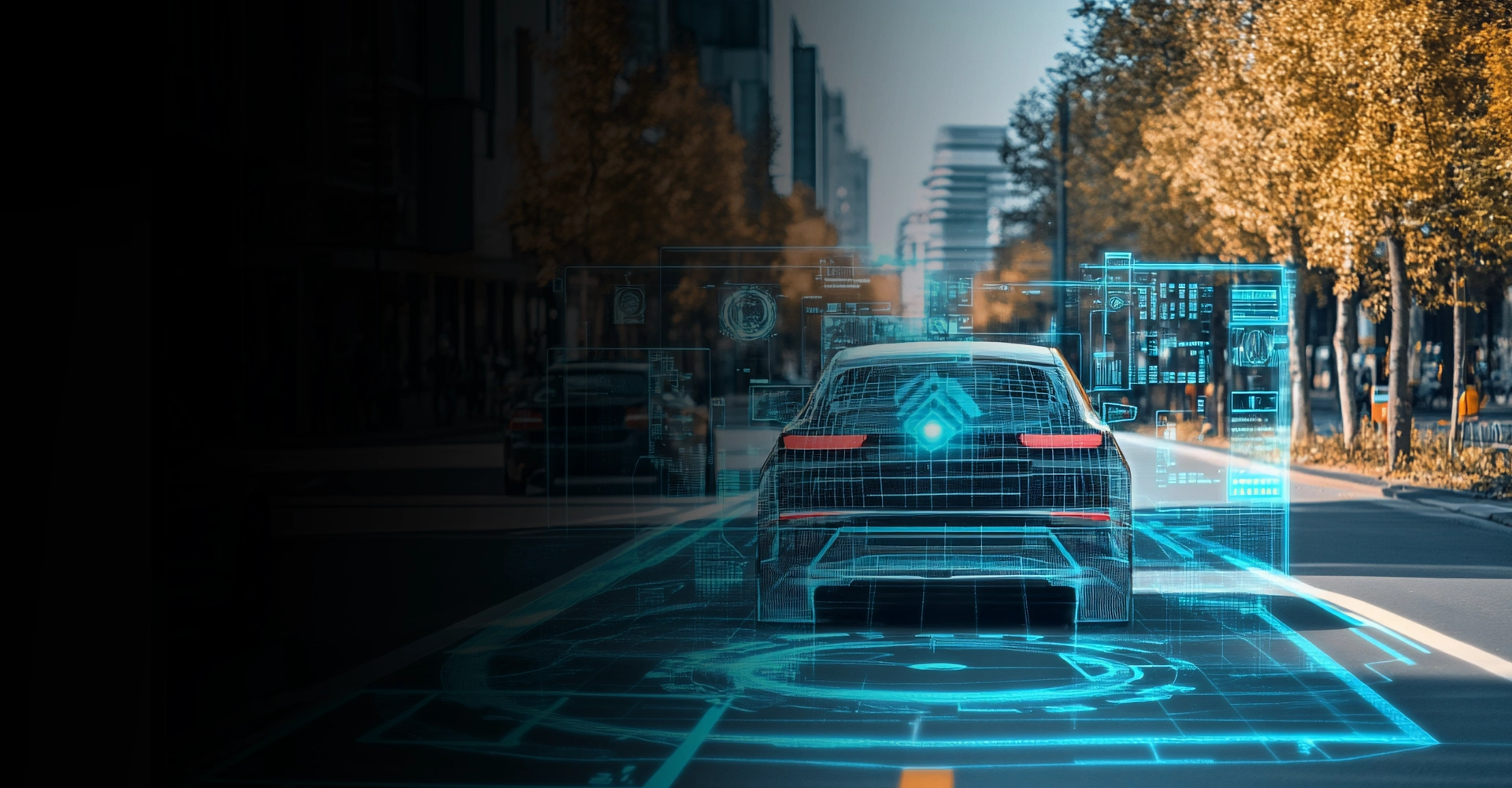
Navigating the era of automotive electrification and autonomous smart mobility

Solid-state battery chemistry
High-density cells allow vehicles to exceed traditional range limitations while thermal management systems significantly optimize pack weight.

High Power charging network
DC stations utilize 800V architectures to replenish battery capacity to eighty percent in under twenty minutes.

Regenerative braking systems
Electric motors invert function during deceleration, enabling one-pedal driving and capturing kinetic energy to recharge the traction battery.

Hybrid powertrain efficiency
Combining ICE with electric propulsion ensures PHEV efficiency during city driving and sustained power for highway cruising.
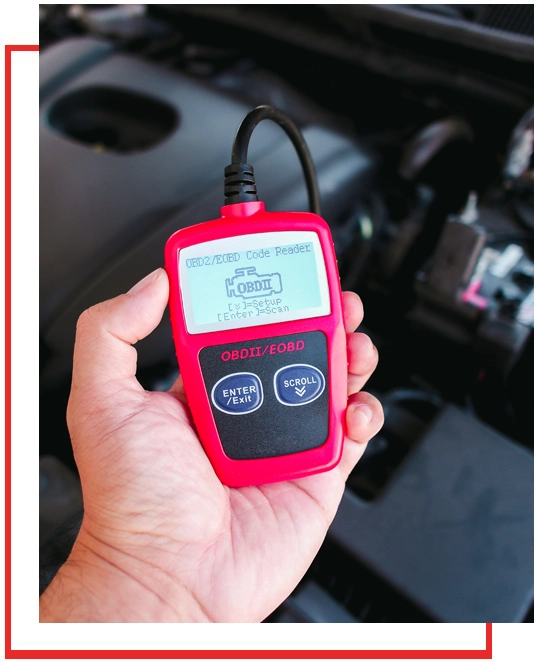
Precision diagnostics for system health and longevity
ADAS and active safety protocols
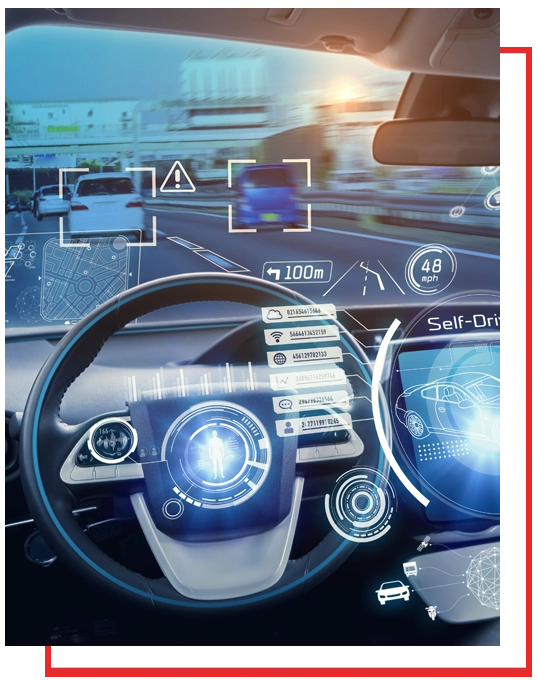
The software defined vehicle architecture
Connectivity transforms automobiles into mobile data centers. 5G updates refresh infotainment and ECU logic remotely, while V2X allows cars to exchange hazard information, creating a safer ecosystem. This integration supports the shift towards autonomous levels.
Augmented reality cockpit
Optimizing supply chains through fleet strategies
Logistics managers use telematics to monitor TCO and behavior across heavy-duty fleets. Last-mile algorithms process data to reduce idle time, ensuring freight delivery meets schedules while minimizing the environmental footprint of commercial transport.

Aerodynamic efficiency on track
Engineers sculpt carbon fiber to manipulate airflow, generating downforce for cornering grip while utilizing DRS to minimize drag on straights.
Race strategy and telemetry
Analysts monitor compound degradation and fuel loads to calculate the precise moment for a pit stop undercut advantage.
High performance engineering
Developing ERS powertrains for competition accelerates the transfer of thermal efficiency and turbo-hybrid technologies to production road cars.
Motorsport & event highlights
Top-tier competitions excite fans worldwide, combining speed and innovation. As circuits evolve with VIP hospitality facilities, seamless coordination ensures immersive experiences, making each Grand Prix a showcase of precision and paddock entertainment for global audiences.